
What If Bourbon Couldn't Leave Kentucky?
An eighth of cannabis cost $15 in Washington in August and $52 in Kentucky, where every buyer is a patient. This week's Read-In starts with a bottle of bourbon, which costs about the same in all fifty states, and asks what would happen if it could no longer cross a state line. What you get is cannabis as it works today, with forty complete supply chains, four open states that landed near $18 without ever trading a gram, a Florida license that fell from $55 million to $9 million, and a cap Virginia is setting right now. Most of what a state charges above $18 is a decision somebody made.
Who Is Watching the Dispensary Parking Lot?
Four cameras on the way to a dispensary, and only one of them exists because a government demanded it. This week's Read-In starts in the parking lot and follows the record out of it: a Wisconsin conviction built on a lawful Michigan purchase, three states that already require live police access to licensee cameras, an Illinois statute that banned out-of-state queries and forgot the penalty, and a company that rewrote surveillance policy for thousands of agencies in a single announcement. The camera requirement was never the mistake. Leaving it where it sits would be.
The Power of Presence: A Guide to Policy Advocacy
Washington spent the week fighting over twenty-nine days, and it ended in the small hours of Saturday morning with a 61 to 32 vote and a five-week recess. While the letters and floor speeches flew at the top, something else happened at ground level: operators looked up their senators' names, compliance managers drafted their first letters to Washington, and an entire market got a crash course in civics. This week's Read-In takes that crash course seriously, from the receiving end. What 115 former EPA regulators admitted actually moved them. The federal dockets that draw ten comments or fewer, and the one serious letter that becomes a real share of the record. Why the Colorado participants who saved their effort for the hearing learned they had arrived too late. The North Carolina hemp businesses who discovered the senator leading the charge against them was their own. And Tip O'Neill's neighbor, who voted for the man who shoveled her walk for years but still wanted to be asked. The fire drill was inevitable, and the next one is already on the calendar. The professionals will be in the room regardless. You are the one they will remember.

The Government Rests
For two and a half weeks, in a sealed hearing room in Arlington, the federal government argued under oath that cannabis belongs in Schedule III, and seven designated opponents argued back. The testimony is over. What remains is the record: the file a recommended decision, a final rule, and a federal appeals court will work from for years. This week's editorial reads that file the way a former regulator would. The government's lean, methodical case. An opposition that subpoenaed a DEA scientist against her own agency and, by the accounts to emerge from the room, watched its marquee witness concede the statutory question in a five-minute cross. The 412,500 people who work in this industry, whom the record never met. And the 1988 precedent that explains why a recommended decision is advice, and why the administrator who rejects one still answers for it in court. The people who built this industry did their part without a hearing. The least the process can do is finish.
The Government Takes The Stand
For fifty years the federal government's case against cannabis was a single sentence: dangerous, useless, Schedule I, filed next to heroin. Tomorrow, in a courtroom in Arlington, the same government has to stand up and argue the opposite. The reversal is overdue, and it is right. But the hearing is not the decision it looks like. It is dull administrative procedure, while the real fight has already moved to the appeals court and to a market cracking along the new line between medical and adult-use. This week's editorial makes the case for rescheduling, then asks the harder question underneath it: whether a government this practiced at getting sued can do the overdue thing without losing it on a technicality, or grinding down the budtenders, growers, and families who built the industry in the first place. The fastest way to lose this reform is to win it badly.

To The Class of Schedule III
Somewhere this month a celebrity in rented robes told a few thousand graduates that the world needs them and the future is theirs. The cannabis industry held its own version of that ceremony in April, when the federal government moved part of it to Schedule III and the trade press called it a coming of age. This week's Read-In gives the Class of Schedule III the commencement address it will not get anywhere else, from a former regulator who no longer has to hedge. The diploma it collected is a receipt, not an arrival, and the lenders, customers, and regulators waiting outside the hall are not going anywhere. Underneath all of it is the one thing rescheduling cannot confer, a memory: prohibition cut the industry into two dozen separate states with no one to carry a lesson across a line, so Colorado wrote the book on oversupply in 2014 and Michigan flooded its own market anyway. The question the speech leaves the graduates is the one no diploma answers: who keeps the lessons, before the people counting on you pay full tuition to learn them twice.
Vote No On Weed?
Six kids at a Detroit elementary school ended up in the hospital this spring after getting into cannabis edibles at home. They are fine. By November some version of that story will be in Massachusetts mailboxes, because the campaign to repeal legalization has figured out something the industry has not. The old argument against legal cannabis was moral, and it lost. The new one is built from emergency rooms, lab fraud, poison-control calls, and gas-station product, and most of it is true. SAM put 1.55 million dollars into the signature drive from a source it will not name. The question the campaign needs voters not to ask is the one this edition puts to them: if the problem is a product that is dangerous when nobody is watching it, what exactly is solved by making sure nobody is watching it.
We Regulate Cannabis Like It Is Uranium
A former cannabis commissioner used to complain we regulate cannabis like uranium. The complaint had merit, but missed the question underneath it. The nuclear industry built INPO after Three Mile Island, an institution that lets utilities operate inside one of the heaviest regulatory frameworks in the country. The cannabis industry has built nothing comparable. The Illinois class action filed last week against four of the largest multi-state operators, the Connecticut potency reversal, the Texas hemp whiplash, and the California Prop 65 settlements are all the same problem in different jurisdictions: there is no industry-side institution with the standing to set credible standards, certify compliance, or rule against members who fall short. Three to four million dollars a year would build it. The window to do so on the industry's own terms is closing.
A Coalition Without A Caucus
In the most polarized institutional environment in modern American history, cannabis is the rare national issue where the public has formed a stable cross-partisan majority. Both parties contain internal fractures that prevent them from claiming the coalition. The country has built the regulatory infrastructure itself while Washington has waited. The next twenty-four days, six months, and twenty-one months are the test of whether one party finally finishes its internal argument or whether the orphan dynamic persists into another presidential cycle.
Schedule III, Mostly
The April 22nd federal cannabis order arrived after fifty-five years of waiting, and the take depends on whether you read it from inside the United States or outside it. Inside, the order is the most consequential federal cannabis action in half a century. Outside, it is a country, late, knocking on the door of a room the rest of the world has been working in for decades. Both readings are correct. Israel has been licensing medical cannabis since the early 1990s. Canada has been exporting to Germany at commercial scale. Uruguay legalized adult use in 2013. The United States just asked to be admitted to the conversation. What kind of participant we are about to be is the question that begins on June 29th.

A Grown-Up Holiday For A Half-Grown Industry
4/20 is loud enough this weekend to reach you whether you are looking for it or not. Depending on who you are, the content shows up as something to eye-roll at, something to half-laugh at, or something to quietly take stock of. All three are correct. What we call the cannabis industry in 2026 is already three industries sharing a label, and the holiday is one of the few days a year when that fact becomes visible. The work of legalization is not done. The receipt for moving cannabis from counterculture to community fabric was a compliance regime dense enough to satisfy a skeptical public. Growing up is a verb. Being grown up is future-tense.
Rescheduling Is Not The Hard Part
Rescheduling is closer than it has ever been, and it should happen. What happens next is the harder question. Cannabis already moves through a supply chain that looks like every other agricultural commodity in American consumer markets. It is grown, processed, tested, and sold. The difference is that the handoffs between those stages were never designed. A hemp farmer operating lawfully under USDA rules has to guess how the same crop will be treated once it becomes a beverage on a shelf in another state. Compliance at one stage carries no weight at the next. The federal government has coordinated harder problems than this. It has simply yet to treat cannabis as that kind of problem.

Certificate of Analysis
Everyone agrees that testing matters. The consensus held across every state that legalized. What didn't hold was the system underneath it. Operators choose their own labs. Operators choose their own samples. The labs that produce favorable results keep the business. The ones that don't, close. Since 2023, at least eleven labs have faced formal enforcement action across six states, and the structural flaw that enabled the misconduct remains in place in most of them.
Cannabis Is Finally Failing Like a Real Industry
Cannabis is finally failing like a real industry. Companies are collapsing for familiar reasons: debt, bad projections, price compression, weak management, and bad timing. The difference comes after the stumble. In cannabis, the law still offers no ordinary way to sort failure, preserve value, and move control without turning distress into a second crisis.
The Wrong Enemy
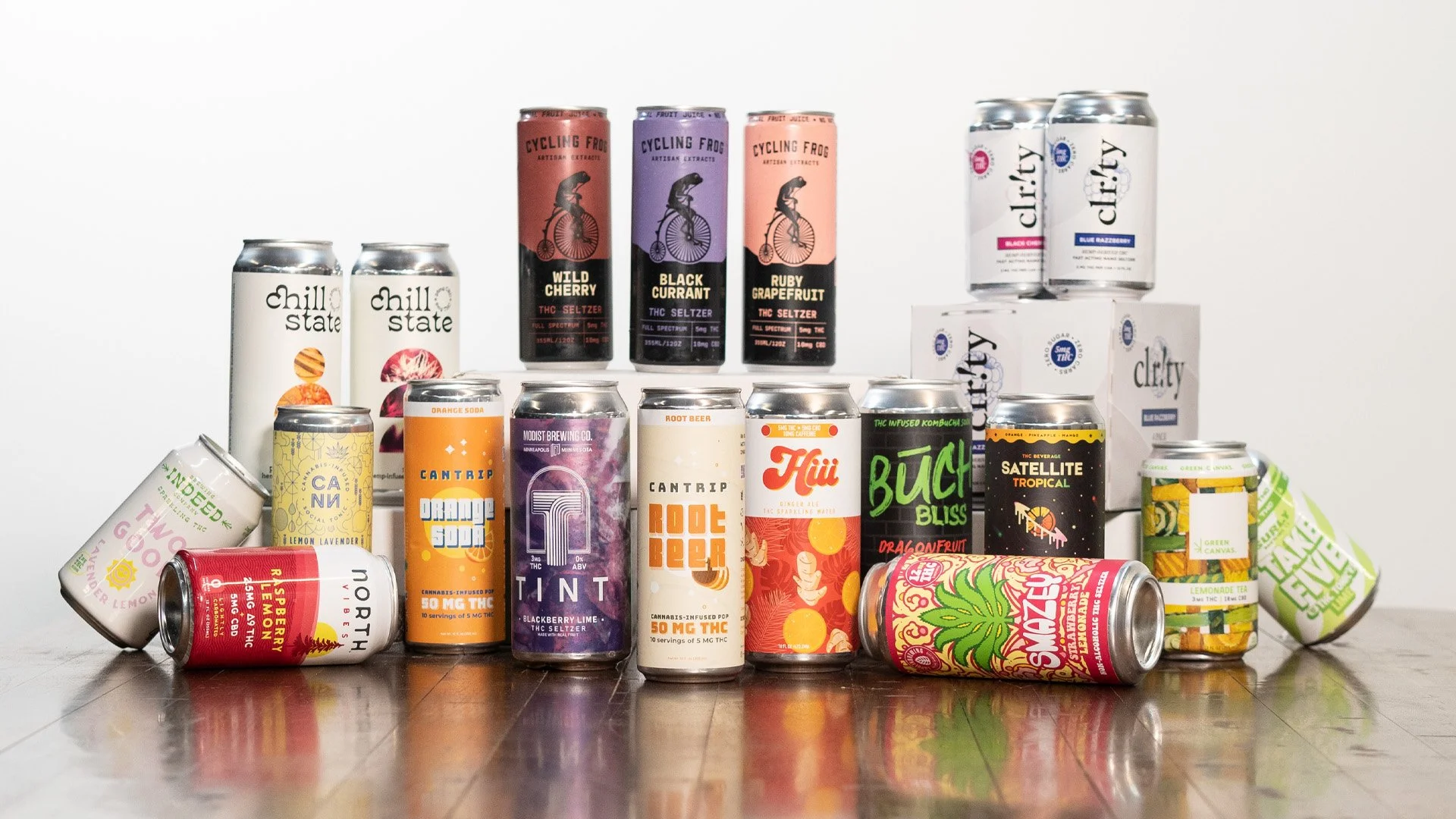
The alcohol industry is not unified against hemp. The producer groups want it gone. The wholesalers and retailers are already moving it. That split is the most important signal in the cannabinoid market right now, and the cannabis industry has mostly missed it. The fight ahead is not alcohol versus cannabis. It is a contest over who controls the shelf, and the people best positioned to win it are looking for allies.
The Category War Coming for Cannabis
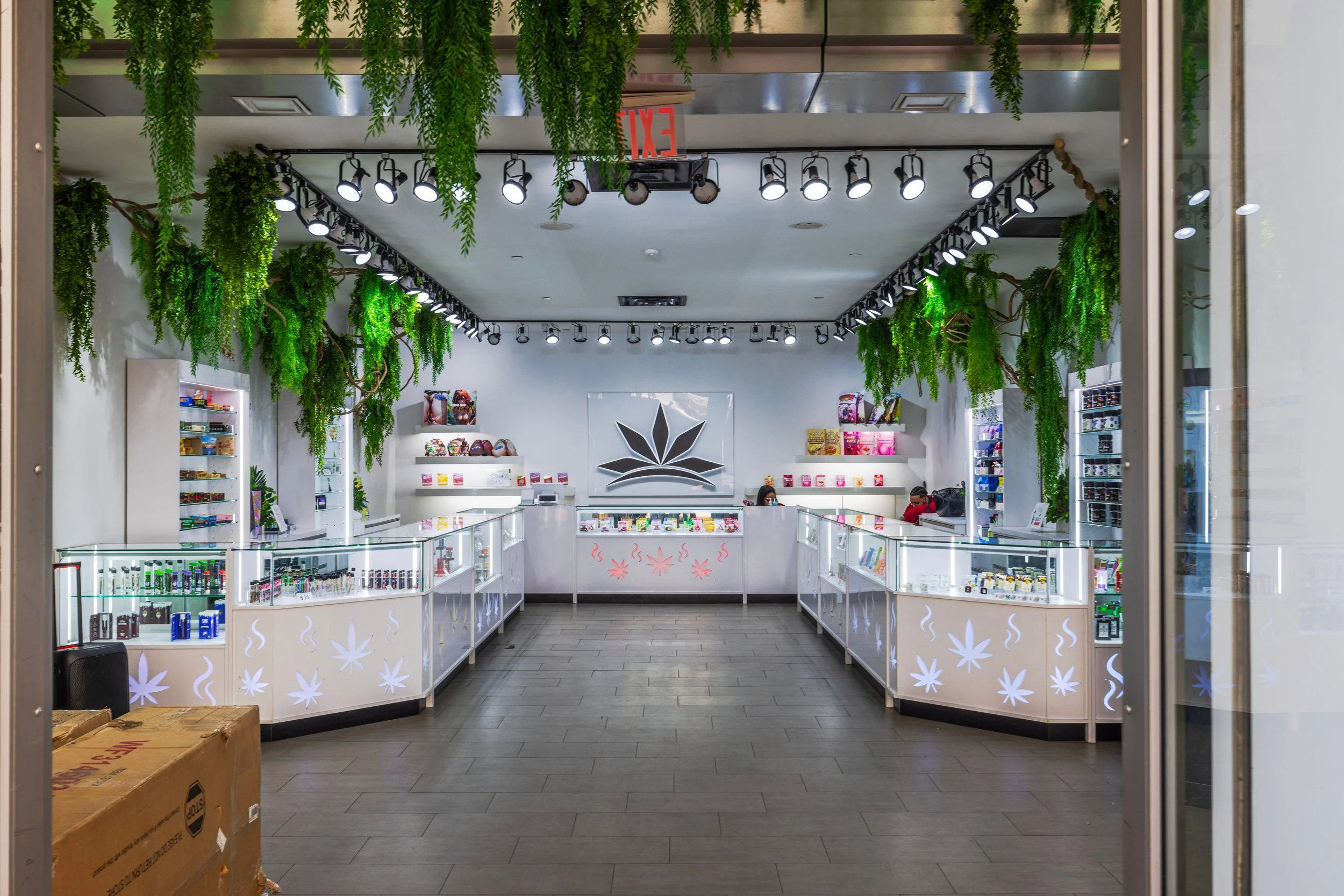
Cannabis legalization built a system for flower in a dispensary. The market that followed did not stay there. As THC moved into drinks, gummies, vapes, and other manufactured products, it began to split across two tracks: a licensed cannabis system and a parallel retail market built through hemp. The next cannabis fight will not be decided by legalization. It will be decided by classification, custody, and whether regulators can govern a family of consumer products built from cannabis.
The Loophole Was Federal. The Work Was State.
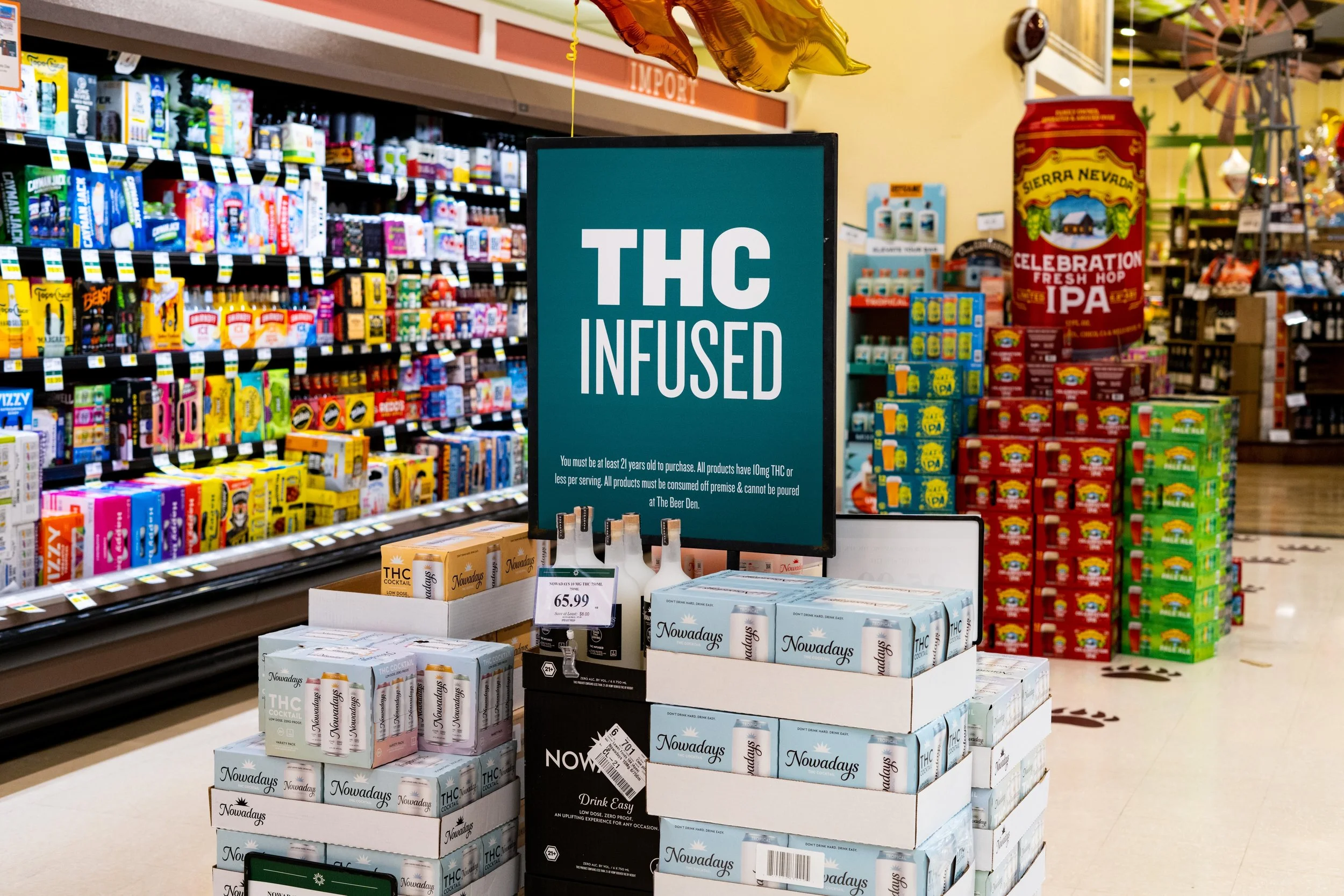
Intoxicating hemp was born from a federal definition. What followed was a state exercise in governance. While Congress debates how to fix the 2018 Farm Bill, many states have already built real frameworks - testing, labeling, age gating, licensing, and enforcement funded by revenue consumers generated inside regulated channels. The question now is not whether the loophole should close. It is whether Washington will respect the state systems built to manage the consequences of its own line.
The Repeal Playbook
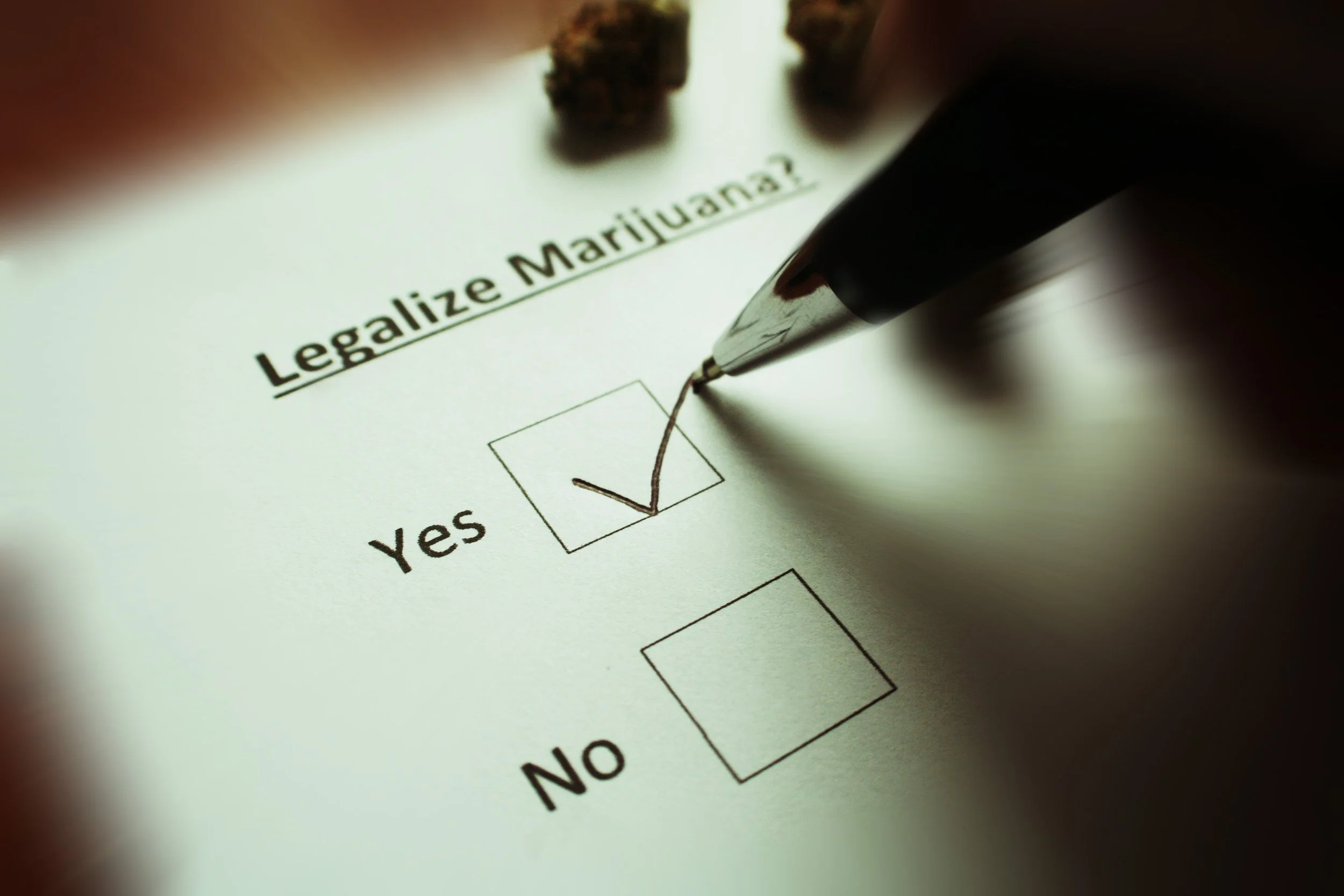
A repeal strategy is moving through states like Massachusetts, Maine, and Arizona, built to sound reasonable to the persuadable middle. The campaign case will be familiar and relentless: pediatric exposures, rising potency, gas station THC, impaired driving, illicit cultivation, and regulators who look distracted. The real vulnerability is not the idea of legalization. It is whether the system looks governed.
The Editorial the New York Times Should Have Run
The New York Times argued this month that America has a marijuana problem. They are not wrong. What they got wrong is the diagnosis. This essay identifies the three distinct THC markets driving public anxiety, explains why collapsing them into a single indictment produces the wrong policy response, and makes the case that the work legalization requires is federal governance long overdue, not a return to the shadows that preceded it.
America’s Two Cannabis Markets
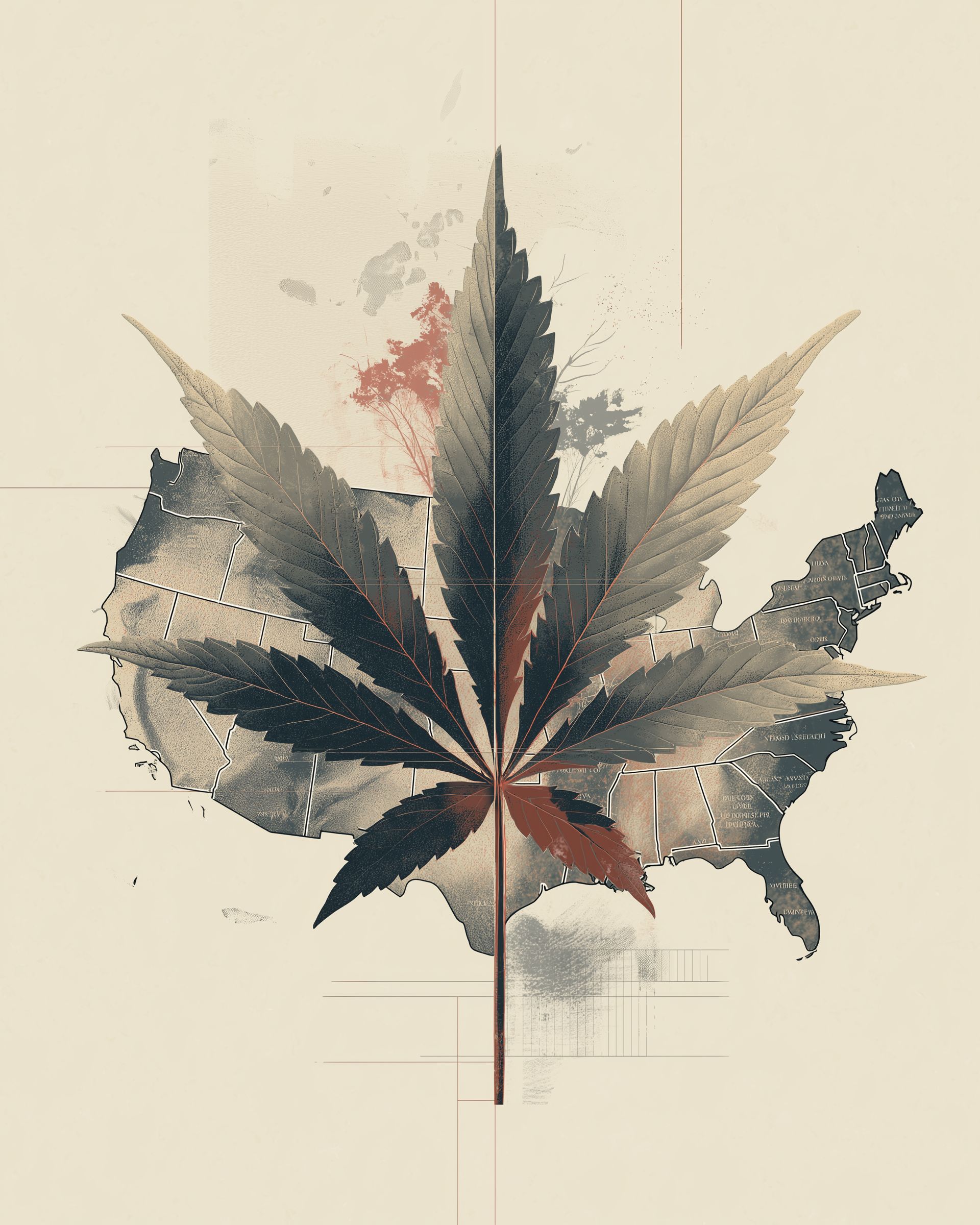
America built two cannabis economies on the same plant. One operates behind dispensary doors, tracked and taxed like a controlled substance. The other rides on a federal hemp definition that made intoxicating products shippable, bankable, and easy to stock. Consumers experience it all as “THC,” and that mismatch is now driving a backlash in Washington. This essay explains what hemp, marijuana, and cannabis actually mean under U.S. law, why low-dose hemp products reached people who never enter dispensaries, and how a tightening federal definition could reshape what shows up on shelves next year.