
Rescheduling Is Not The Hard Part
Rescheduling is closer than it has ever been, and that matters. It opens research pathways, eases tax burdens, and signals an important policy shift from Washington after decades of prohibition. It also leaves a lot of questions unanswered, though. Rescheduling ought to happen. And our federal government ought to be prepared.
Cannabis is already here. It is grown as a commodity crop, sold as a wellness product, prescribed in some states as medicine, and consumed as an intoxicant, personally and socially, in others. Each use carries its own expectations, its own risks, and its own regulatory obligations. Our federal policy still approaches all of it as if one decision can resolve the whole.
It cannot. Cannabis moves through a supply chain the way other agricultural commodities do, and each stage of that chain calls for different rules inside a coordinated system. That is the assignment, and Washington has yet to accept it.
If the President asked me to bring order to federal cannabis policy, this is where I would start…
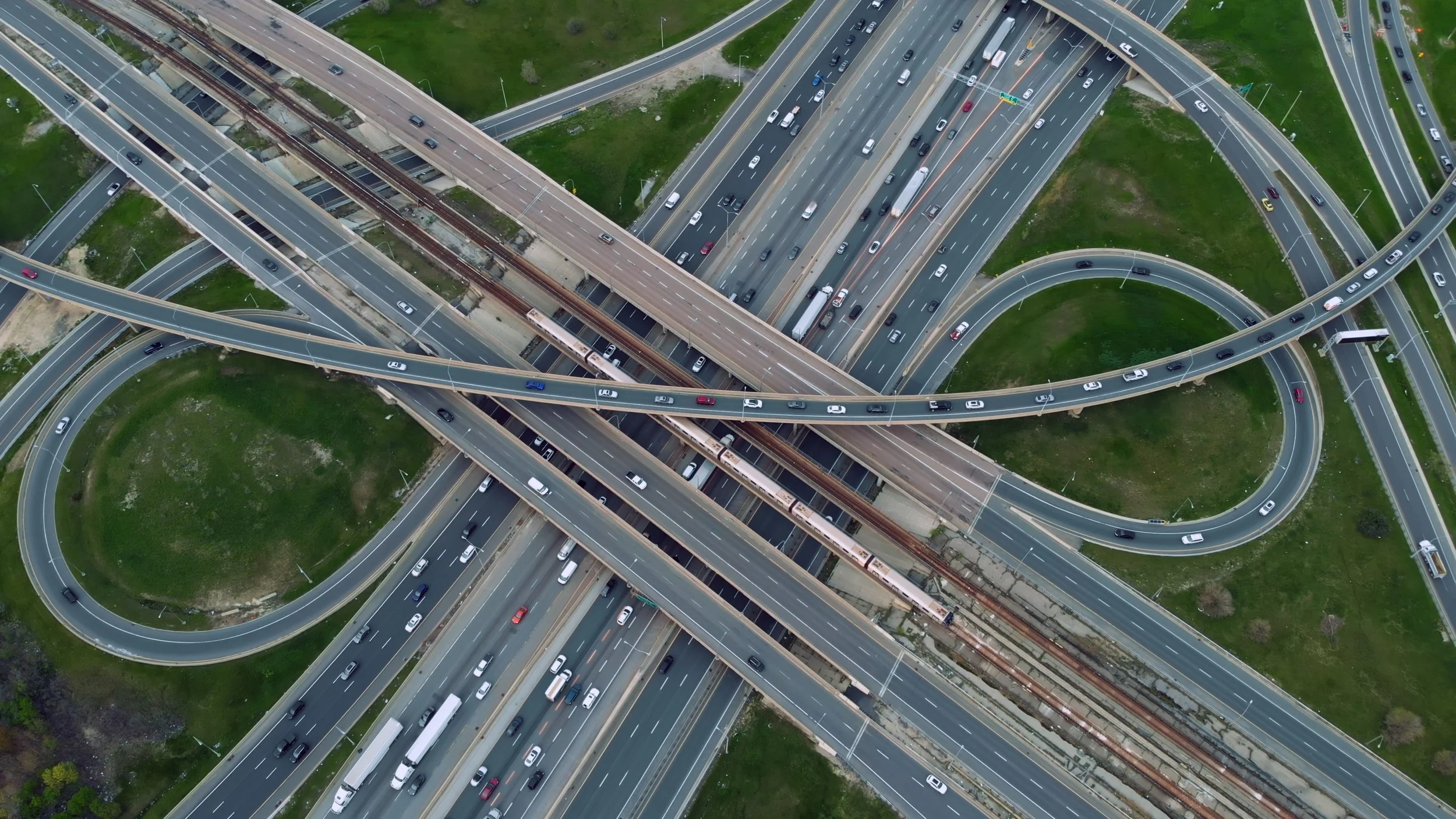
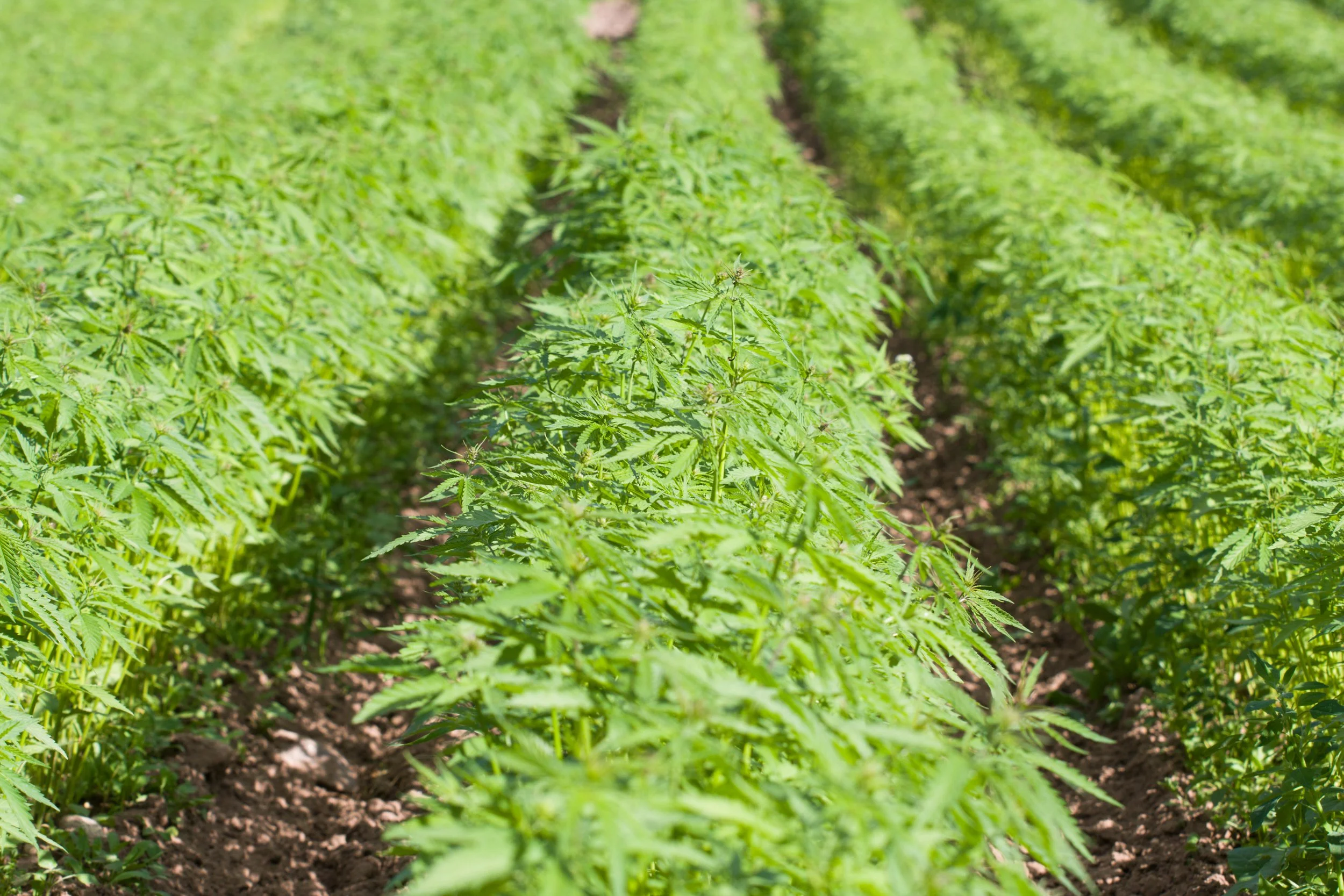
Every agricultural commodity that reaches American consumer markets moves through a chain. A crop is grown under one set of rules, processed under another, and sold under others still. Hops become beer, and along the way USDA hands off to TTB, and TTB hands off to state alcohol regulators. Each handoff is defined. Each regulator knows where its authority begins and ends.
Cannabis has the same shape and none of the structure. It is grown as a commodity crop and processed into industrial inputs, wellness products, medical formulations, and intoxicating goods. The pathways into consumer markets are real, operating at scale, and generating revenue for farmers, manufacturers, retailers, and state treasuries. The handoffs between them are improvised where they exist and absent where they do not. A hemp farmer growing lawfully under USDA rules has to guess how the same crop will be treated once it is processed into a cannabinoid beverage and shipped across state lines. Compliance at one stage carries no weight at the next.
The federal question is one of coordination. How is the supply chain that already exists governed from soil to shelf?
Federal authority over this chain is scattered across agencies that were assembled piecemeal for other purposes. USDA oversees hemp production. FDA holds authority over drugs, supplements, and consumer safety. DOJ enforces federal law. EPA evaluates pesticides. Treasury touches the commercial side of intoxicating products through tax and trade. Each agency operates within its mandate. The system they collectively form was assembled without anyone drawing the map. That is why the contradictions persist. A product can be lawful in one context and undefined in another. Research can be encouraged in principle and constrained in practice. Markets grow faster than the rules meant to govern them. These are the predictable results of a government that has yet to organize itself around the issue.
There is a further problem that rarely gets named. The federal agencies now touching cannabis policy were built for other missions, and in most cases cannabis sits at the edge of their work rather than near the center. FDA has a sweeping mandate covering drugs, devices, food, supplements, tobacco, and cosmetics, funded in significant part by the industries it regulates. USDA answers to American agriculture. DEA exists to enforce the Controlled Substances Act. TTB oversees alcohol and tobacco excise. VA serves veterans. Each has a defined constituency, a fee structure or appropriation tied to that constituency, and a mission that predates legal cannabis by decades.
For these agencies, cannabis is rarely the work. It is the thing pulling staff away from the work. It arrives without a dedicated funding stream, without a defined constituency paying in, and without the institutional muscle memory that comes from decades of regulating a familiar industry. It is also rarely a political priority that makes it a plum assignment. The general public health and safety obligation is real, and it competes with everything else on the desk.
States have shown what a dedicated institutional home looks like. Several have built standalone cannabis agencies with their own leadership, their own staff, and a fee structure paid by the industry they oversee. Those agencies are imperfect. They exist because their states decided cannabis was serious enough to warrant an address. Even there, the model is incomplete. Most state cannabis agencies have no authority over hemp, which sits with agriculture or health departments under entirely different rules. The fragmentation that defines federal policy is reproduced, in smaller form, inside the states.
“Coordination has to come from somewhere, and right now it comes from nowhere.”
The federal government has no equivalent. There is no agency whose core mission is cannabis, no leadership accountable for the whole, and no staff whose careers are built around getting this right. Coordination has to come from somewhere, and right now it comes from nowhere.
If the assignment is to bring coherence to federal cannabis policy, the answer is to impose structure on the handoffs rather than collapse everything into a single agency. Consolidation would ignore the real differences between stages of the chain. Structure would respect them.
First, assign clear lead authority at each stage. Cultivation stays with USDA. Medical and wellness pathways sit with FDA. Intoxicating consumer products require a defined commercial regulator, most plausibly drawing on the existing alcohol and tobacco frameworks at TTB. Enforcement remains with DOJ as a backstop rather than the organizing force.
Second, establish a White House-led interagency body with real authority. Not a symbolic working group. A coordinated effort with defined leadership, participation requirements, policy and authority transparency, and deadlines. Coordination happens when someone is responsible for making it happen.
Third, require a unified federal strategy within a defined timeframe. That strategy would articulate how the stages of the chain interact, where the boundaries sit, and how the federal government intends to manage risk, access, and market growth from one end of the chain to the other.
Consider what happens when something goes wrong. A consumer in one state gets sick after drinking a hemp-derived cannabinoid beverage purchased in another. Public health requires an answer fast, and the answer could live anywhere along the chain. It could be a pesticide applied at cultivation, which is USDA and EPA territory. It could be a contamination event during processing. It could be a non-cannabis ingredient added at manufacturing, which is an FDA question. It could be the cannabinoid itself. Tracing it requires TTB, FDA, USDA, and state health authorities to coordinate on a timeline measured in days, not quarters. Right now, there is no protocol for any of that. There is no agency holding the pen. A recall that should take a week takes months, and the people most exposed are the consumers the system exists to protect.
The federal government has done this before in areas that demanded cross-agency alignment. It has created structures, set priorities, and enforced coordination when the problem required it. Cannabis has simply yet to be treated as that kind of problem.
“Rescheduling moves pieces on the board. It does not arrange the board.”
Rescheduling moves important pieces. It changes the legal posture of cannabis in ways that affect research, taxation, and how parts of the federal government engage with the issue. It leaves the supply chain question open. It leaves hemp-derived intoxicants and state-legal marijuana governed by different logics. It leaves wellness products outside any defined pathway. It leaves federal health programs without guidance on patient access. Rescheduling moves pieces on the board. It does not arrange the board.
Real legalization is not a statute. It is a plan that starts at the top and charges the whole of government with carrying it out. Protecting domestic farmers against import and export pressure is one kind of work, and it belongs with an agency built for trade and agriculture. Testing is a different kind of work, and someone needs to figure it out once and for all. It should not be the agency that oversees farming. Social equity is a third kind of work for a lot of reasons, and it belongs somewhere those reasons are understood. Enforcement and compliance are a fourth kind of work, and the people who do that work need to stay at arm's length from the rest. Each agency has to stay in its lane, and each agency has to trust that the others are staying in theirs, because the only way any of them can do their job is if the rest of the system is doing its.
This pathway has a lot of lanes. Right now it looks more like bumper cars than a speedway.