
The Category War Coming for Cannabis
Cannabis policy has spent the last decade building a system around legalization.
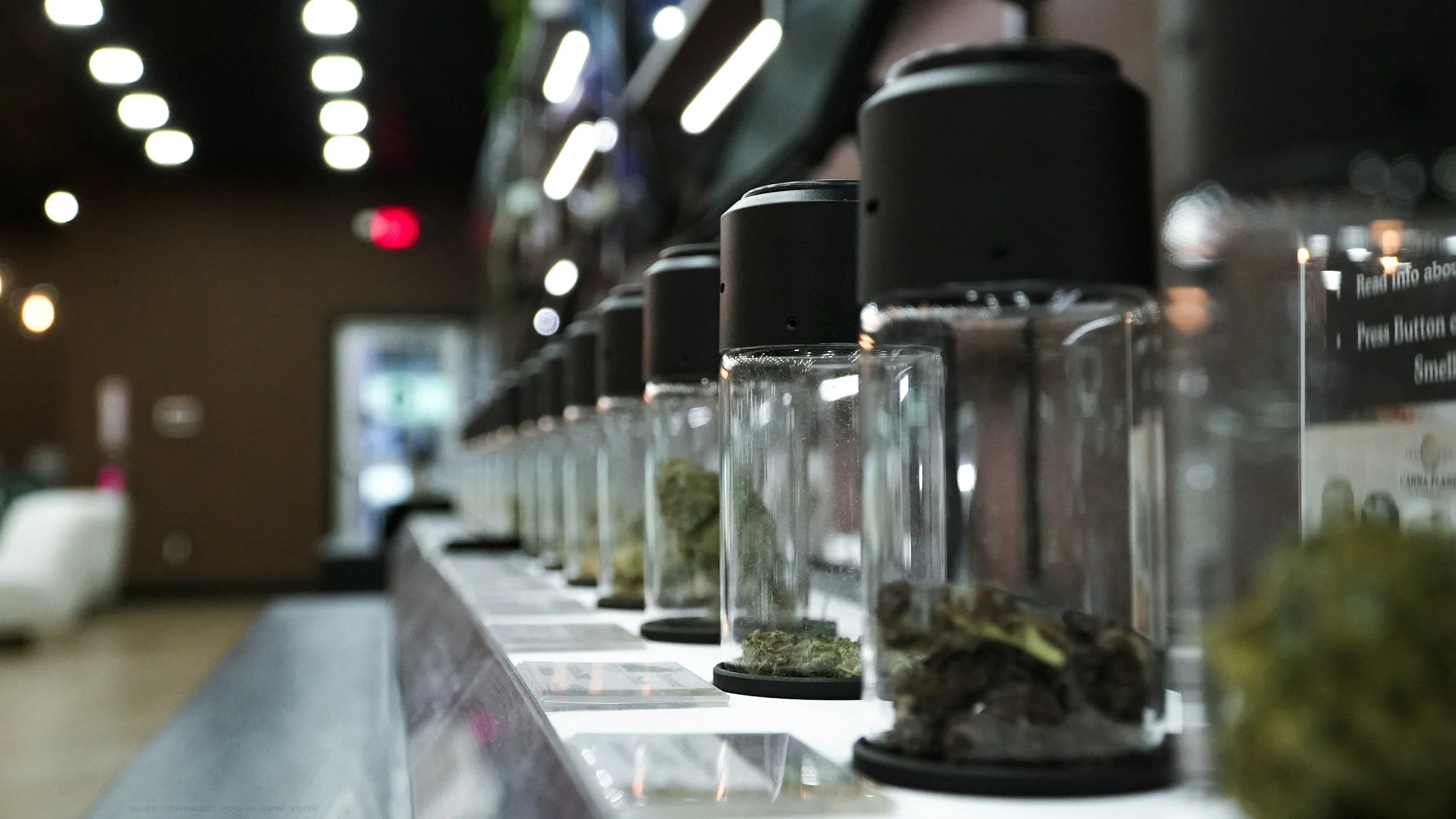
Licenses, inspections, inventory controls, packaging rules, host community fights, tax structures, and the long slow work of making a once-illicit market legible to government all flowed from that project. States built regulatory regimes designed to contain a specific product sold in a specific place: cannabis flower in a licensed dispensary.
The next phase of cannabis policy is going to test something harder.
It will decide whether the system built for flower in a dispensary can still govern THC once it starts showing up as a drink, a gummy, a vape cartridge, a tincture, or a product on an ordinary retail shelf.
“The shelf still looks like cannabis. It no longer revolves around a single form of it.”
When Congress moved to restrict most intoxicating hemp-derived products beginning in November 2026, it turned what once looked like a niche product dispute into a custody fight over who sells THC, who regulates it, and which version of the industry survives.
That fight arrives just as the economics of the market are shifting in plain view.
Flower still anchors the legal cannabis shelf. In the fourth quarter of 2025 it accounted for 38.8 percent of tracked sales, with vapor pens at 25.5 percent and edibles, pre-rolls, and concentrates filling out most of the remainder. Even that hierarchy is beginning to move. In Washington State, vapor pens have already overtaken flower. The shelf still looks like cannabis. It no longer revolves around a single form of it.
The deeper change is happening underneath the shelf.
Average U.S. retail cannabis prices have fallen roughly 32 percent since 2021. In Oregon, one of the country's most mature markets, the median flower price reached $3.33 per gram in December 2025, and more than 4,000 cannabis operators surrendered licenses in the eighteen months leading up to the end of that year. Once scarcity fades, cultivation markets behave the way agricultural markets tend to behave: oversupply compresses margins, production scales, and the crop becomes easier to grow than to profit from.
The money moves somewhere else.
In cannabis, it is already moving to the manufactured side of the business. Jeeter generated roughly $245 million in revenue in 2024 and held about 8 percent of the national pre-roll market. Wyld became the leading edible brand across seven states simultaneously. STIIIZY built a business exceeding $800 million annually, inside an industry that still lacks normal banking access, still faces punitive federal taxation under 280E, and still cannot legally move products across state lines. Those figures are evidence that brand-driven manufactured categories are already consolidating value inside a market that was originally organized around cultivation.
Cannabis was sold to policymakers and investors as an agricultural opportunity. What is emerging looks more like Anheuser-Busch than it does a farm. That is the commercial side of the category war.
The regulatory side began with hemp.
Legalization assumed a closed system. Cultivators produced cannabis. Licensed manufacturers processed it. Dispensaries sold it. Testing, taxation, and enforcement all occurred inside the same regulated structure.
Hemp broke that architecture.
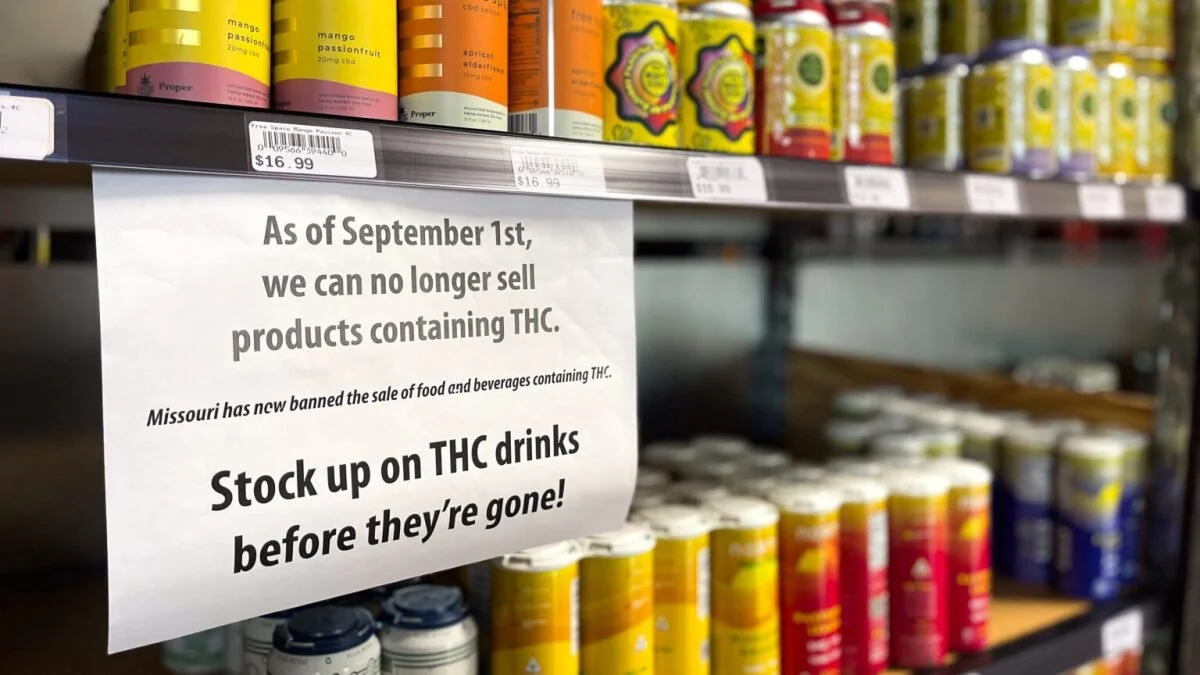
Once federal law defined hemp by delta-9 THC concentration rather than total intoxicating potential, manufacturers discovered that intoxicating products could be produced from hemp-derived cannabinoids and sold outside state cannabis licensing systems. Drinks, gummies, vapes, and other products began appearing in convenience stores, liquor-adjacent retail, and online storefronts, building a parallel retail market entirely outside the dispensary system.
The products varied widely. Responsible operators built legitimate businesses around accurately dosed, well-formulated goods that demonstrated real consumer demand for low-intoxication THC products outside the dispensary setting. Others exploited the same opening. Poorly labeled vapes and high-potency edibles sold from gas station counters gave critics a legitimate target, and the phrase "gas station weed" captured something real about what unscrupulous actors were putting into the market. That corner of the industry did genuine harm, and it handed lawmakers and regulators the justification they needed to move against the entire category, responsible operators included. The absence of the testing, licensing, and packaging requirements that governed licensed cannabis dispensaries meant that consumers had no reliable way to distinguish between the two.
By 2024, hemp-derived THC beverages alone surpassed $1 billion in annual sales. Licensed cannabis beverages generated roughly $54.6 million during the first quarter of 2025, placing the licensed segment on an annual pace near $218 million. One market grew inside dispensaries. The other grew through ordinary retail, and the distance between them, in size, in reach, and in accountability, became the defining fault line of the modern cannabis debate.
Competing claims of authority followed. Licensed cannabis operators argued that intoxicating hemp products were bypassing the testing, tax, and licensing structures imposed on marijuana businesses. Hemp operators argued that low-dose THC products belonged alongside alcohol alternatives and other packaged consumer goods. Convenience stores saw a new product line. Dispensaries saw an end run around the rules they were required to follow. Regulators saw a market expanding faster than the frameworks designed to govern it.
Congress intervened by imposing a national limit that will sharply restrict intoxicating hemp products beginning in November 2026. If the rule is enforced as written, many of the products now circulating through mainstream retail will either disappear or migrate into licensed cannabis channels. Either outcome leads to the same reckoning: the dispensary model no longer has a believable claim to be the natural home for every form of THC product.
The market pressure is real. So is the public health case against moving too slowly.
Legalization taught regulators an uncomfortable lesson: a product can be legal, tested, and properly labeled and still circulate through households in ways the rules never fully anticipated. Poison-control reports show accidental THC exposures in young children rising from 207 cases in 2017 to 3,054 in 2021. Pediatric hospitals now encounter these cases often enough that the pattern is no longer anecdotal. Products designed for adult consumption move through kitchens, backpacks, and living rooms. Gummies and chocolates do not behave the same way as a bag of dried flower stored out of reach, and as cannabis continues to resemble everyday food and drink, the distance between how these products are designed to be used and how they actually circulate inside households becomes a central governance problem that packaging rules and point-of-sale restrictions alone cannot fully solve.
That is why beverages matter so much.
They are the clearest demonstration of what happens when THC begins to behave like an ordinary consumer packaged good. Drinks fit rituals Americans already understand. They sit naturally beside alcohol alternatives and invite the same ambitions around shelf placement, brand loyalty, and repeat purchase that define other beverage categories. What looks like an argument about beverages is a race between commercial normalization and regulatory authority.
The same dynamic is beginning to appear across other manufactured categories. Gummies already operate in that world. Tinctures, infused oils, and other formulations push cannabis further into the language of repeatable consumer goods, and flower, whatever its cultural staying power, becomes one product among many rather than the thing the whole system was built around.
That shift also forces a more uncomfortable policy reflection.
The first phase of legalization encouraged states to believe they were building durable local production economies. In much of the Northeast, that meant large indoor cultivation facilities, expensive capital investment, and promises to communities that cannabis would support regional agricultural industries. Some of that infrastructure will survive in premium and tightly regulated niches. Much of it was built under temporary protection, in markets insulated from broader competitive forces that were always going to arrive eventually. Interstate commerce, if and when it comes, will accelerate that reckoning considerably. The states that built expensive indoor cultivation behind licensing walls were making a bet that those walls would hold.
“The legal system was built for a simpler product and a simpler shelf, and that shelf no longer exists.”
A market that increasingly rewards low-cost biomass and high-margin manufactured products was never likely to sustain this much expensive local cultivation indefinitely. What looked like the center of the industry during legalization now appears closer to the supply layer beneath it.
The legal system was built for a simpler product and a simpler shelf, and that shelf no longer exists. THC now appears in forms that trigger different expectations in consumers and different claims of authority from government. Some products behave like inhalables. Others behave like alcohol substitutes. Others resemble wellness goods or packaged food items until the dose reminds everyone that they are not.
The old policy debate asked whether cannabis could be legalized. The next one will decide where it belongs.
Regulators will not only be governing cannabis.
They will be governing a family of consumer products built from cannabis.