
America’s Two Cannabis Markets
How one plant ended up with two rulebooks, two supply chains, and a public trust problem that is now driving federal policy
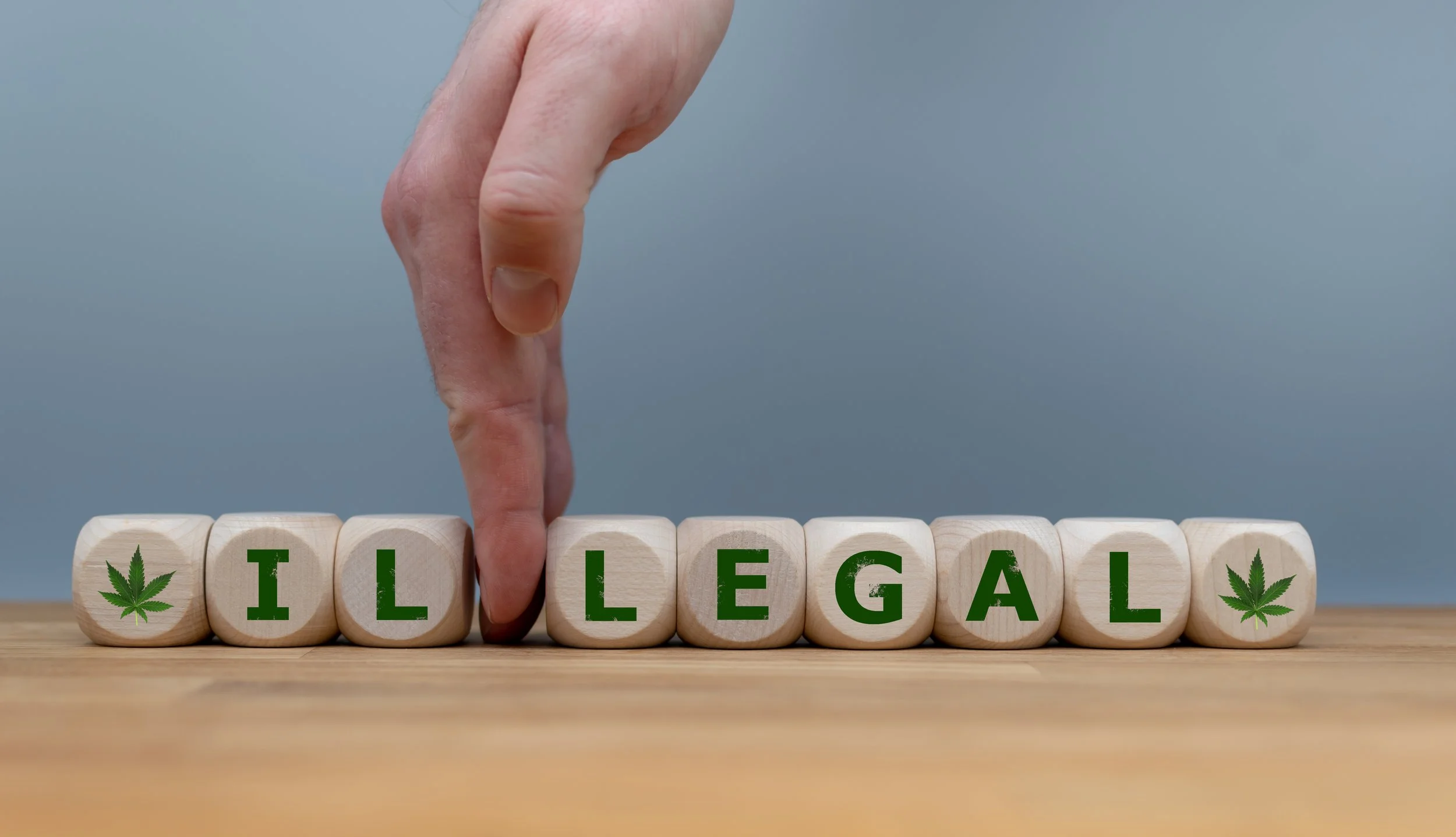
The Question Everyone Is Asking
In my line of work, I get asked the same question over and over, just phrased a little differently depending on who’s asking.
Lately it sounds like this. Someone sees an Instagram ad for “hemp THC” gummies. Or a THC seltzer that looks indistinguishable from anything else in the beverage aisle, except for the promise that it ships straight to their front door. They pause the way you pause before you click “buy now” on anything that feels slightly unreal.
How is this possible? Is it legal? Is it legit? Safe? Why do I need a dispensary for marijuana, while hemp shows up in the mail like it’s coffee pods?
The answer is one of the first things they taught us in law school: it depends. The reason it depends has less to do with the plant and more to do with the way America built cannabis policy in pieces, over time, without ever sitting down and designing the whole thing.
One quick note up front, because the internet loves to fight over labels. In dispensary states we talk about “medical” and “adult-use” as separate worlds, and those differences matter, especially to patients and operators. The larger split is structural: the state-licensed dispensary market on one side, the federally defined hemp market on the other, two legal systems wrapped around the same plant and sold to consumers as if it’s all one thing.
One Plant, Two Legal Categories
“Cannabis” is the neutral umbrella term. It’s the plant. It’s also what people reach for when they want to talk about this without picking a side.
“Hemp” and “marijuana” are different. They’re legal categories laid over the same species. Congress drew a line through one plant and told the country to treat each side differently. That line was never a great proxy for intoxication, safety, or consumer protection. It was a measurement standard written into federal law.
Once you accept that, the market starts to make sense.
The dispensary side is built state by state. It runs through licenses, inspections, track-and-trace systems, lab testing, labeling rules, age checks, and taxes that can make products expensive even when the underlying production costs are not. It stays inside state borders because federal law still won’t treat marijuana like a normal product that can move freely in interstate commerce.
The hemp side works differently. Hemp can move across state lines as a federally defined agricultural category. It shows up online and in mainstream retail. It can be sold in places dispensary cannabis never will, and when the products are intoxicating, the consumer experience can look and feel pretty similar.
If this feels incoherent, that’s because the architecture came first and the consumer expectations came later.
The 2018 Deal That Split the Market
The modern story starts with the 2018 Farm Bill. Congress defined “hemp” as Cannabis sativa L. and any part of that plant, including derivatives and cannabinoids, so long as the delta-9 THC concentration stays under 0.3 percent on a dry weight basis.
Marijuana stayed a Schedule I controlled substance under the Controlled Substances Act.
That sounds technical. In real life, it changed everything. Hemp became federally lawful commerce. That changed the practical stuff: whether you can ship product, open a bank account, run credit cards, get insured, and land on shelves. It turned hemp into a national consumer market.
Dispensary cannabis went the opposite direction. States built closed systems because closed systems were enforceable. If the federal government still calls the activity illegal, you don’t build a wide-open, interstate supply chain. You build a contained market you can audit and control. That is why dispensaries exist in the form we recognize, and why cannabis doesn’t ship from California to Connecticut the way wine does.
This is where the public starts to feel whiplash. People assume the law must be irrational. What actually happened is simpler. Congress made one category portable and left the other stuck inside state borders. You may be surprised how often that happens.
THC Is a Measurement Problem
Most consumers think “THC” is a single number. In the plant, THC shows up in more than one form. Delta-9 THC is what people usually mean when they’re talking about intoxication. In raw cannabis, much of the THC content exists as THCA, an acidic precursor that converts into delta-9 THC when heated.
Labs handle that by calculating “total THC,” which estimates how much delta-9 THC could be available after conversion. That calculation uses a standard conversion factor of 0.877. You don’t need the math to follow the logic. The point is that a product can look compliant on paper and still deliver a familiar effect once it’s heated or processed.
USDA understood this quickly on the farming side. Its hemp testing approach uses methods that account for conversion potential. That keeps cultivation compliance anchored in real-world potency rather than a technicality.
Then the legal question changes, because the regulator changes.
“That gap between agencies became the market. You had products moving faster than the rules could catch up.”
Where the Rules Stop, the Market Starts
Federal oversight of hemp is not one coherent program. It’s a patchwork that doesn’t line up neatly.
USDA’s authority is most developed at cultivation. After harvest, the picture becomes a mix of FDA posture, DEA theories, and state-by-state rules.
FDA has broad authority over foods, supplements, cosmetics, and drugs. It has also been cautious and, in the view of many operators, slow to create a clear national pathway for cannabinoid products. With CBD, FDA has held that CBD cannot be lawfully added to conventional foods or marketed as a dietary supplement under existing frameworks, in part because of the drug exclusion rule and CBD’s status as an active ingredient in an approved drug. In January 2023, FDA said existing frameworks for foods and supplements are not appropriate for CBD and called for a new regulatory pathway.
DEA sits in the background of all of this because the line between hemp and marijuana still matters under controlled substances law. DEA positions on synthetic and manufactured cannabinoids signal that not everything marketed as “hemp-derived” will be treated the same way under federal controlled-substance analysis.
That gap between agencies became the market. You had products moving faster than the rules could catch up. Plenty of operators tried to do this the right way: real testing, accurate labels, adult packaging, age checks that actually verify adulthood. Others treated “hemp” as a costume they could put on anything. And consumers ended up making judgment calls based on branding, which is a terrible system for something you eat or drink.
Why Hemp Ships and Marijuana Doesn’t
Two features of the hemp definition helped build the modern hemp THC market.
First is the percentage threshold tied to dry weight. That makes sense for plant material. It behaves differently for beverages and edibles because the product’s overall mass can make a meaningful milligram dose look small as a percentage. Consumers experience milligrams. The statute measured percentages.
Second is the breadth of the definition, which includes “derivatives” and “cannabinoids.” That language allowed innovation across cannabinoid formulations and, for a period of time, supported expansive arguments about what fits inside hemp.
This is where delta-8 and related products enter the story. Many of these cannabinoids can be produced from hemp-derived inputs through conversion processes. That is not automatically a problem. Chemistry isn’t moral. The issue is that conversion creates more ways to get it wrong, especially when process controls and testing discipline vary widely. FDA has raised concerns about delta-8 products and warned consumers that these products have not been evaluated for safe use and may involve harmful chemicals and byproducts depending on manufacturing practices. That is true.
Then there’s the THCA flower phenomenon. Products marketed as “THCA hemp” have leaned on delta-9-centric readings of the hemp definition while cultivation compliance uses total-THC concepts. In practice, consumers heat flower. Chemistry converts THCA to delta-9 THC. The experience can mirror dispensary cannabis even when the legal argument rests on how numbers are calculated and reported.
This is where ordinary people feel the contradiction in their gut. They’re told dispensary cannabis is heavily regulated. They also learn hemp is federally defined and broadly available. Then they see intoxicating products outside dispensary channels, sometimes sold casually, sometimes marketed aggressively, sometimes packaged in ways that would never survive a dispensary regulator’s review.
The Trust Collapse
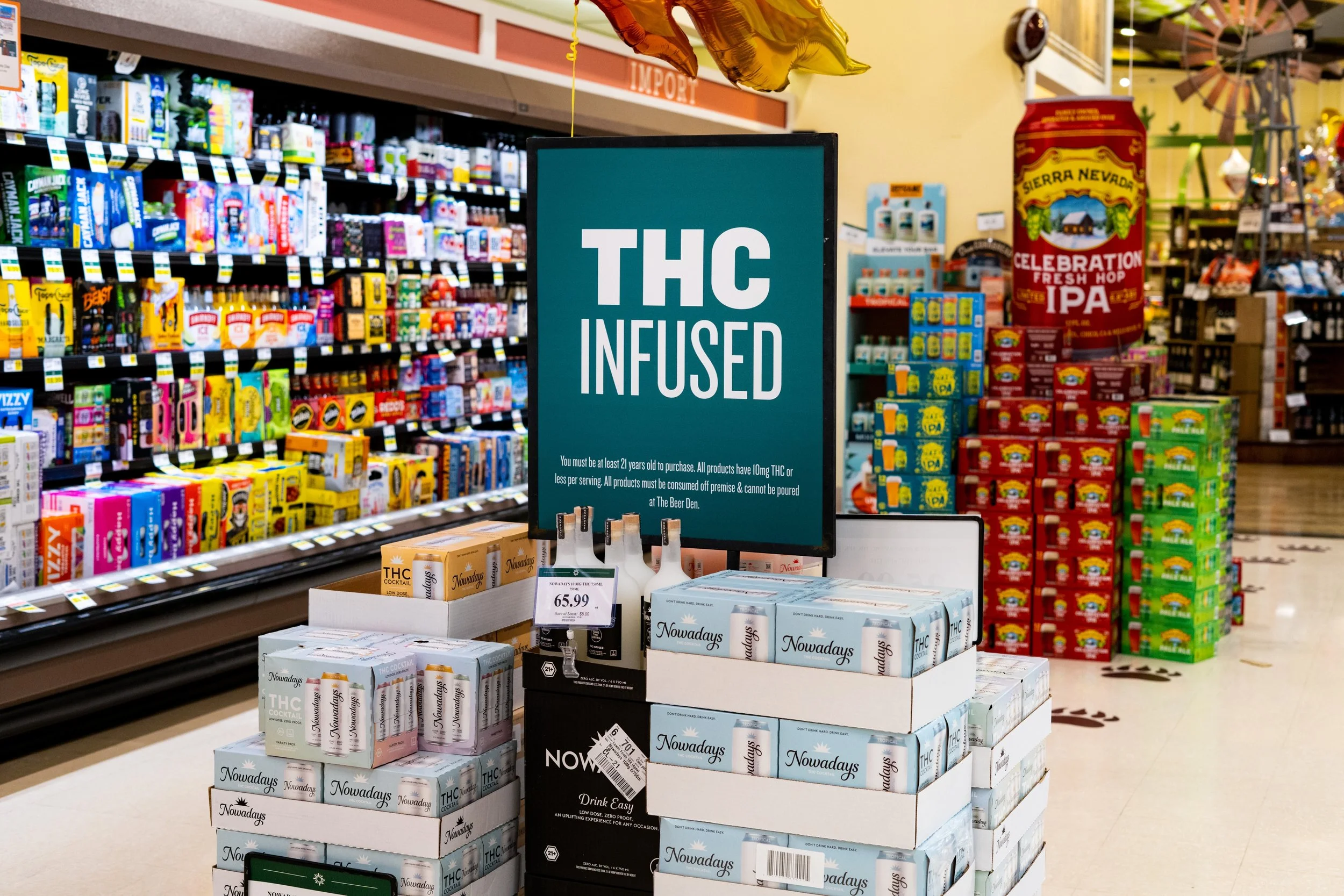
This is the part policymakers and operators are both reacting to, even if they describe it differently.
Licensed cannabis operators look at hemp-derived intoxicating products and see an unregulated competitor. They see products that can avoid the taxes, testing costs, and operational controls dispensaries live under. They also see confusion landing on their doorstep when a consumer has a bad experience and blames “weed,” broadly, without distinguishing between regulated dispensary product and a corner-store edible.
Responsible hemp operators look at the same landscape and see an industry judged by its worst actors. They see legitimate businesses that test and label carefully, only to get lumped in with sellers who push cartoon packaging, ignore age gates, and treat the rules like suggestions.
Public health advocates see youth access and contamination risk. Consumers see products that look mainstream and assume they must be vetted. Regulators see headlines and pressure, then they reach for the easiest lever they can pull.
Each side has a fair argument. Each side also has blind spots. The underlying issue is trust. When intoxicating products are sold outside controlled channels, labeling starts to feel like marketing, not information. Legislators respond the way legislators always respond to a loss of public confidence: they simplify, they restrict, and they overcorrect.
Congress Tightens the Definition
Then Washington did what Washington does when it gets embarrassed: it reached for a bright line.
In November 2025, Congress rewrote the federal hemp definition, with the changes set to kick in on November 12, 2026. The headlines made it sound like a cleanup operation casually tucked into a must-pass bill to reopen the government. Policy with a gun to your head, what could go wrong.
The mechanics are more consequential. The revised definition pulls THCA into the THC calculation, narrows the lane for cannabinoids made through conversion chemistry, and adds a per-container cap that makes most intoxicating hemp products commercially impossible to sell as “hemp.”
That choice matters because the hemp market proved something that’s easy to ignore if you live inside dispensary politics: consumer demand is real, and the audience is broader than the dispensary customer. Low-dose beverages and edibles reached new consumers who were never going to stand in a dispensary line, hand over an ID at a guard desk, and buy a product that still carries cultural baggage in a lot of towns. Hemp products met those consumers where they already were, in mainstream retail, with familiar formats, and in many cases with a lower-intensity experience that felt more like “a drink after work” than “getting high.”
Congress saw the worst version of that market, the gas-station gummy economy, and responded as if the whole category were the worst version. The new cap does not sort responsible products from irresponsible ones. It essentially pulls the plug.
A quieter part of the story is the set of definitions FDA now has to write. Congress directed FDA, in consultation with HHS, to publish lists by February 2026 identifying which cannabinoids occur naturally in the plant, which ones fall into the THC class, which ones have THC-like effects or are marketed that way, and what counts as a “container” for purposes of the cap.
Those lists will end up doing the real work. They’ll determine what can be formulated, how it has to be packaged, where it can be sold, and whether the industry gets a workable set of lanes or a dead end.
Operators already know how this plays out. Enforcement usually starts with the boring institutions. Banks get cautious. Card processors revise their rules. Insurance renewals come back with new exclusions and new prices. Distributors and landlords start calling counsel. The market can tighten up months before a regulator writes a single citation.
If you don’t live in this world, here’s what to watch for. Congress tightened the hemp definition, and the effective date is November 12, 2026. A lot of products people can buy today will have a harder time fitting inside “hemp” as written once those changes kick in. The frustrating part is that the responsible segment of the market, the one that built trust through low-dose products and predictable effects, is likely to take the hit right alongside the corner-store nonsense that drove the backlash in the first place.
That is the downside of America’s split-screen cannabis policy. Two markets operate in public view, the rules do not match, and when Congress finally reacts, it reacts to the worst footage.
What Comes Next
“Legality is a function of definitions, testing standards, and jurisdiction. Trust comes from conduct. How the product is made. Whether it’s tested for potency and contaminants. Whether the label tells the truth. Whether age-gating is real, not performative. Whether the company behaves like it expects scrutiny.”
When someone asks whether a hemp THC product is “cannabis,” I hear the same set of questions I started with. Is this legit. How is this legal. Have you heard of this brand. Am I really allowed to get something intoxicating delivered to my house.
They’re asking about trust. They want to know what system, if any, is standing behind the label.
Law matters here, but it does not finish the job. Legality is a function of definitions, testing standards, and jurisdiction. Trust comes from conduct. How the product is made. Whether it’s tested for potency and contaminants. Whether the label tells the truth. Whether age-gating is real, not performative. Whether the company behaves like it expects scrutiny.
A few realities cut through the noise.
Hemp and marijuana are not different plants. They are legal labels pinned to the same species. Congress drew a line at a THC threshold and built two systems around it.
Dispensary cannabis feels stricter because it was engineered to be enforceable. States built closed, auditable markets in a country where federal law still treats marijuana as illegal commerce. That architecture creates control and traceability. It also creates higher prices, tighter access, and the familiar dispensary experience that many consumers still avoid for reasons that have nothing to do with cannabis itself.
The hemp market proved a different point. Consumer demand extends well past the dispensary customer. Low-dose beverages and edibles brought in people who were never going to walk into a cannabis store, whether for cultural reasons, comfort, or convenience. Mainstream channels made that possible. They also made it easier for bad actors to sit on the same shelf and borrow the legitimacy of the format.
This is where the whole thing turns. When intoxicating products show up in places without meaningful guardrails, consumers stop believing the label. Once public confidence slips, lawmakers reach for rules that are simple enough to explain in a press release or on social media. Responsible operators often get swept up in that response alongside the people who earned the backlash.
The plant hasn’t changed. The legal categories have, and they’re tightening again now. The next year tells us whether Congress lands on a framework that preserves the responsible end of the hemp market that consumers actually chose, or whether it wipes out the category and leaves demand to find its way back through less visible channels.
Sources, Resources, and Suggested Reading:
“7 U.S.C. § 1639o (Definitions),” U.S. Code (Cornell LII)
“21 U.S.C. § 802 (Definitions),” U.S. Code (GovInfo)
“Establishment of a Domestic Hemp Production Program,” Federal Register, January 19, 2021.
“Implementation of the Agriculture Improvement Act of 2018,” Regulations.gov (DEA Interim Final Rule docket), August 21, 2020.
“FDA Regulation of Cannabis and Cannabis-Derived Products, Including Cannabidiol (CBD),” U.S. Food and Drug Administration, July 16, 2024.
“FDA Concludes that Existing Regulatory Frameworks for Foods and Supplements are Not Appropriate for Cannabidiol,” U.S. Food and Drug Administration, January 26, 2023.
“Increases in Availability of Cannabis Products Containing Delta-8 THC and Reported Cases of Adverse Events,” CDC Health Alert Network, September 14, 2021.
“AK Futures LLC v. Boyd Street Distro, LLC,” U.S. Court of Appeals for the Ninth Circuit, May 19, 2022.
“Edible Cannabinoid Products,” Minnesota Statutes § 151.72.
“Changes to the Federal Definition of Hemp: Legal Issues and Questions,” Congressional Research Service (LSB11381).
“Delta-8 THC,” America’s Poison Centers.
“Delta-8 Tetrahydrocannabinol Exposures Reported to US Poison Centers, 2021–2022,” PubMed Central, 2024.
“Big Alcohol Prepares to Fight Back as Buzzy Cannabis Drinks Steal Sales,” Reuters, July 23, 2025.
“Deal to End U.S. Government Shutdown Strikes Buzzy Cannabis Drinks Industry,” Reuters, November 14, 2025.
“The Farm Bill, Hemp Legalization and the Status of CBD: An Explainer,” Brookings, December 14, 2018.
“FDA Declines to Regulate CBD; Calls on Congress for Fix,” Associated Press, January 26, 2023.